
Belém: Where Portugal’s Age of Discovery Began
Belém is where Lisbon meets the ocean. This riverside district, located six kilometres west of the city centre, is where Vasco da Gama set sail for India in 1497, where Magellan began his circumnavigation of the globe, and where the Portuguese empire’s most magnificent monuments were built to celebrate those achievements. Today, Belém is home to some of Lisbon’s most important landmarks, its finest museums, and — perhaps most famously — the world’s best pastéis de nata. A half-day visit here is essential on any trip to Lisbon.Torre de Belém: The Iconic Tower
Standing at the water’s edge where the Tagus meets the Atlantic, the Torre de Belém is Lisbon’s most recognisable monument and a UNESCO World Heritage Site. Built between 1514 and 1520 in the ornate Manueline style, the tower originally served as a fortress guarding the entrance to Lisbon’s harbour. The exterior is richly decorated with maritime motifs — twisted ropes carved in stone, armillary spheres, crosses of the Order of Christ, and even a small rhinoceros head, believed to be the first stone carving of a rhinoceros in Western Europe. Inside, a narrow spiral staircase leads to the upper terrace, offering views across the river and the Ponte 25 de Abril. Open daily from 10:00 to 17:30 (closed Mondays). Book tickets online to avoid queues, especially between May and September.Jerónimos Monastery: A Masterpiece of Manueline Architecture
The Mosteiro dos Jerónimos, just a five-minute walk from the tower, is the undisputed highlight of Belém. Commissioned by King Manuel I in 1501 and funded by the profits of the spice trade, it took nearly a century to build and stands as the finest example of Manueline architecture in Portugal. The church entrance, the south portal, is an extraordinary work of art — layers upon layers of carved limestone depicting saints, prophets, and maritime symbols. Inside, the vaulted ceiling of the church soars above six slender columns that seem to defy gravity. The remains of Vasco da Gama and the poet Luís de Camões rest in ornate tombs near the entrance. The two-storey cloister is equally breathtaking. Every column and archway features unique carvings of nautical ropes, exotic animals, and religious symbols. The delicacy and imagination of the stonework is mesmerising — you could spend an hour discovering new details.Pastéis de Belém: The Original Pastel de Nata
No visit to Belém is complete without a stop at Pastéis de Belém on Rua de Belém. This legendary bakery has been producing pastéis de nata since 1837, using a secret recipe originally created by the monks of the Jerónimos Monastery. The queue outside often stretches down the street, but it moves quickly. Inside, the blue-and-white tiled rooms seat hundreds. Order your pastéis warm from the oven, dust them with cinnamon and powdered sugar, and enjoy with a strong bica (espresso). The flaky, caramelised pastry and silky custard filling are in a league of their own. Belém’s other bakeries produce excellent pastéis too — competition keeps the quality high across the neighbourhood.Museums and Cultural Landmarks
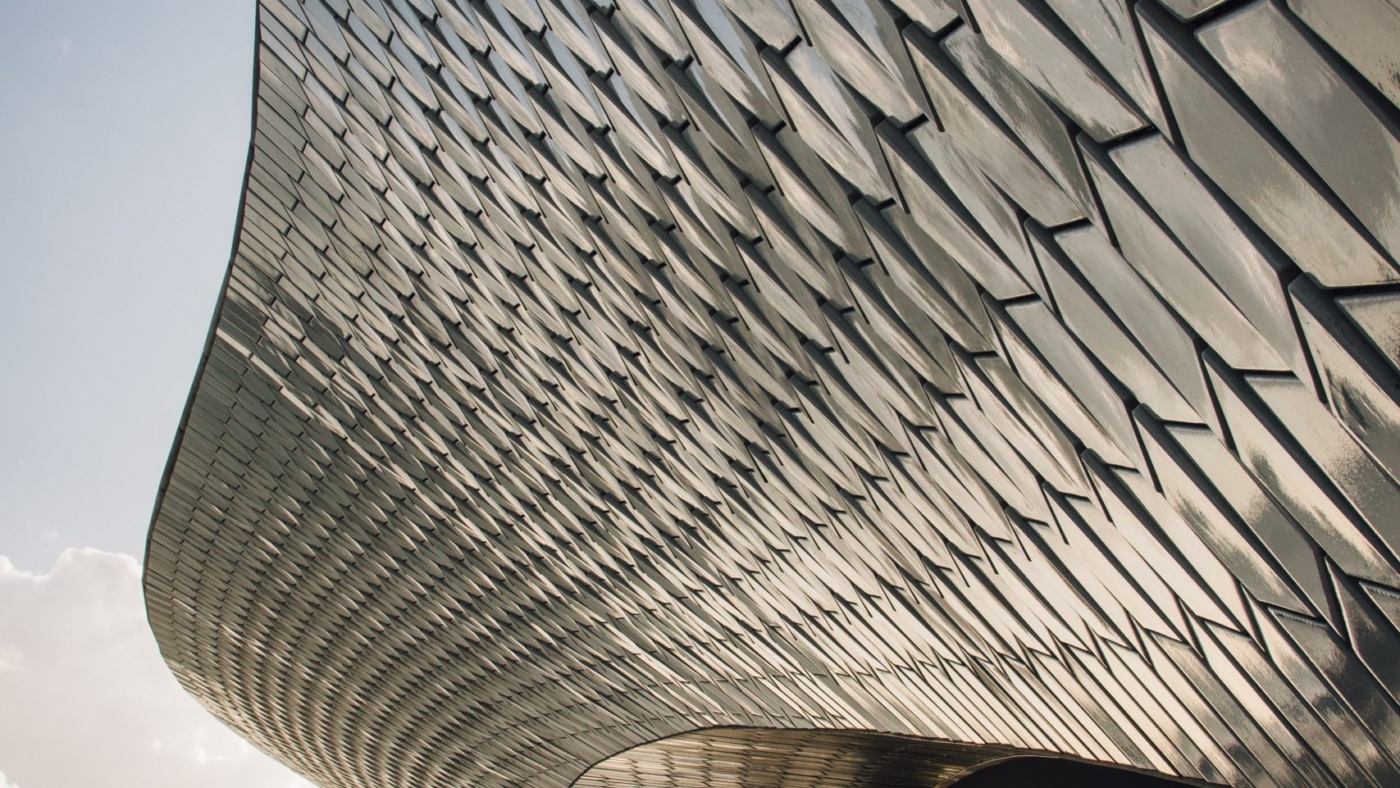
Belém is home to some of Lisbon’s best museums. The MAAT (Museum of Art, Architecture and Technology) on the waterfront, designed by British architect Amanda Levete, is a striking contemporary building whose undulating roof doubles as a public walkway with river views. The Museu Nacional dos Coches (Coach Museum) houses one of the world’s finest collections of ceremonial carriages, spanning the 17th to 19th centuries. The Museu de Marinha (Maritime Museum) tells the story of Portugal’s seafaring history through ship models, navigation instruments, and maps. At the riverside, the Padrão dos Descobrimentos (Monument of the Discoveries) celebrates the Portuguese explorers. The 52-metre limestone monument depicts Henry the Navigator at the prow, followed by key figures of the Age of Discovery. An elevator takes you to the rooftop viewing platform.How to Get to Belém
From the city centre, Tram 15E runs along the waterfront from Praça do Comércio to Belém in about 20 minutes. The train from Cais do Sodré station takes 10 minutes. By car, Belém is a straight drive along the riverside Avenida de Brasília. For a more memorable arrival, consider a boat ride along the Tagus — several operators run ferries and scenic cruises that stop in Belém. To make the most of your time, combine Belém with a private guided tour that covers the main landmarks plus the hidden gems that most visitors miss. Our local guides bring the history to life with stories you won’t find in any guidebook. Contact us to plan your visit.