
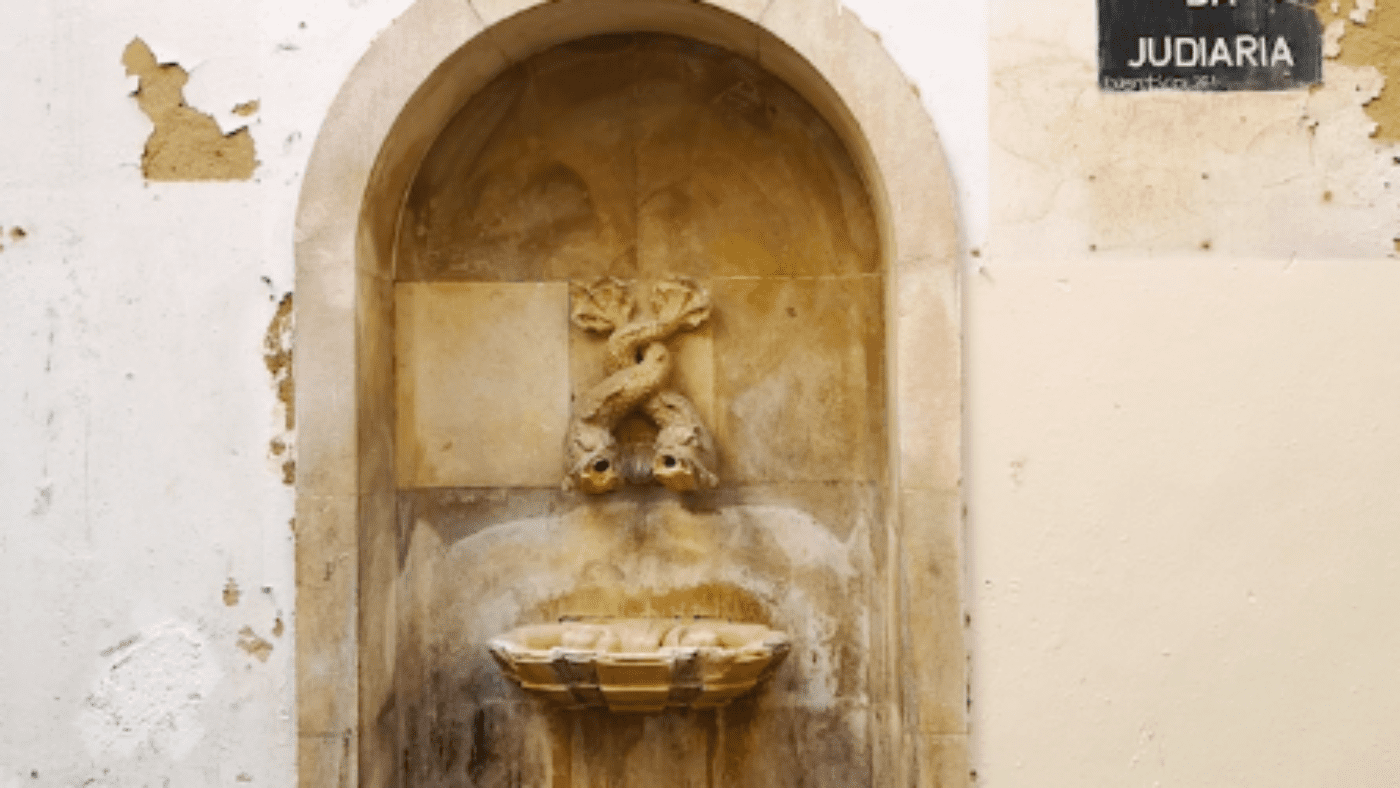
Alfama: The Soul of Lisbon
Alfama is where Lisbon began. This ancient neighbourhood, draped over the hillside between the Castelo de São Jorge and the Tagus River, survived the devastating 1755 earthquake that destroyed most of the city. Its labyrinth of narrow cobblestone alleys, steep staircases, and hidden courtyards preserves a way of life that has barely changed in centuries. Walking through Alfama feels like entering a different world. Laundry hangs between pastel-coloured buildings, the sound of Fado drifts from open windows, and elderly neighbours chat on doorsteps while cats sleep in the sun. It is, without question, the most atmospheric neighbourhood in Lisbon.What to See in Alfama
Start at the top. The Castelo de São Jorge, perched at the summit of the hill, dates back to the Moorish occupation of the 11th century. The fortress walls offer some of the finest views in the city — across the rooftops of Alfama, over the Baixa grid, and out to the river. Inside, the archaeological site reveals traces of Phoenician, Roman, and Visigothic settlements. Below the castle, the Miradouro de Santa Luzia and Miradouro das Portas do Sol are two of Lisbon’s most beautiful viewpoints, with terraces looking down over the terracotta rooftops to the river. The azulejo panels at Santa Luzia depict the Praça do Comércio as it looked before the great earthquake. The Sé de Lisboa (Lisbon Cathedral), built in 1147 on the site of the former mosque, stands at the western edge of Alfama. Its fortress-like Romanesque façade is unmistakable. Inside, the Gothic cloister contains Roman and Moorish archaeological remains. Don’t miss the Igreja de São Vicente de Fora, whose rooftop terrace offers a unique perspective over Alfama and the Panteão Nacional dome. The cloisters are decorated with 18th-century azulejos illustrating the fables of La Fontaine.Fado: The Sound of Alfama
Alfama is the birthplace of Fado, Portugal’s hauntingly beautiful musical tradition. The neighbourhood is home to some of the city’s most authentic Fado restaurants, where singers perform just metres from your table in candlelit rooms. For a truly immersive experience, book a private Fado evening in one of Alfama’s traditional taverns on Rua dos Remédios or Beco do Espírito Santo. The emotion in the singer’s voice, combined with the intimate setting and the history of the neighbourhood outside, creates something unforgettable. The Museu do Fado on Largo do Chafariz de Dentro tells the full story of this art form, from its origins in the early 19th century to its recognition as UNESCO Intangible Cultural Heritage in 2011.Where to Eat in Alfama
Alfama’s food scene balances traditional tascas with a handful of modern restaurants. Santo António de Alfama on Beco de São Miguel serves classic Portuguese petiscos in a cosy tiled interior. Taberna da Rua das Flores, though technically in neighbouring Cais do Sodré, is worth the walk for its inventive take on traditional ingredients. For the freshest fish, head to the small restaurants near the Feira da Ladra area on Campo de Santa Clara. Several family-run spots grill sardines and sea bream on charcoal outside their doors, filling the streets with an irresistible aroma. And of course, no visit to Alfama is complete without a ginjinha — the cherry liqueur that has been warming locals for generations. Read our complete guide to ginjinha to know exactly where to find the best.The Feira da Ladra: Lisbon’s Famous Flea Market
Every Tuesday and Saturday, the Feira da Ladra flea market fills the Campo de Santa Clara with stalls selling everything from vintage azulejos and antique furniture to second-hand books and old records. It has been running since the 13th century, making it one of the oldest markets in Europe. Arrive early in the morning for the best finds. The market wraps around the Panteão Nacional and the Igreja de São Vicente de Fora, making it easy to combine with sightseeing.Exploring Alfama: Tips for Your Visit
Alfama is best explored on foot, but be prepared for steep hills and cobblestones. Wear comfortable shoes with good grip. The neighbourhood is compact — you can see the main sights in three to four hours — but the real joy is in getting lost in the alleyways and discovering its hidden corners. Tram 28 passes through the heart of Alfama and is a scenic way to arrive, though it gets very crowded during peak hours. An alternative is to take a tuk-tuk up to the castle and walk down through the neighbourhood at your own pace. For the most rewarding experience, join a private walking tour with a local guide who can unlock the stories behind every doorway, tile, and church. Contact us to arrange your Alfama exploration.