The Portuguese woman of good family, a princess of a thousand and one nights
Portuguese women have fascinated writers. For centuries, witnesses of the past have left us a glowing perception of the Lisboeta. These gentlemen longed to meet them, but were astonished by their habits and customs. The women of Lisbon remained locked up in the palaces, allowing themselves to be admired from the balconies. To approach them, the boys would meet them at mass, scribbling a sweet note subtly transmitted between two church pews and two Ave Maria.
One had to be invited by the great men of the Kingdom to admire these incredibly exotic ladies. They had a voluptuous gait that made them attractive; sitting on their heels, they preferred oriental carpets to the rococo gilding of the sofas. This Moorish look was a reminiscence of Lisbon’s arabic past, whose legacy has spread in language and traditions.
This idea that Portugal is a country of macho men is not true. The Portuguese worshipped women ! In 1777, the Frenchman Pierre Dezoteux noted that a man could kneel before the wife of a fidalgoto compliment the lady or simply listen to her give him orders.
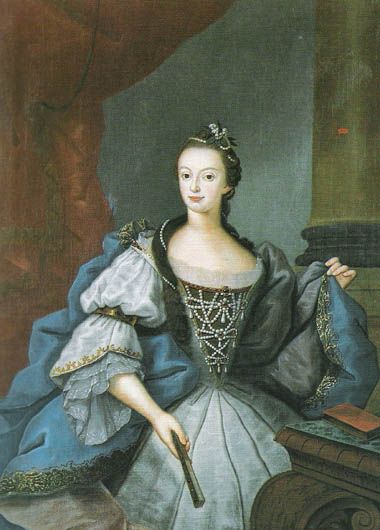
Maria I, Queen of Portugal (1777)
The Portuguese woman of the people, a live flame where passions are unleashed.
The Englishman Richard Twiss was one of the first tourists to Lisbon. The son of an aristocrat, he made his “grand tour” in 1773. For him, Portuguese women were the liveliest women in the world, spending their time laughing, singing, dancing and talking passionately. At that time, one imagines the dark streets of a ruined Lisbon, enlivened by a popular fire from which a Brazilian tune starts. During the summer evenings, there is an indecent atmosphere where the fofa, this carefree and suggestive dance, captures the hearts of the men and arouses the admiration of the women.
Even today, Fado is the heir of these women of the people who forged the identity of a style, a way of life, a transcendence through music. They would stare at you with their deep black eyes while wielding the guitar, and with their soft, pleasant voice, they would attract the workers to the taverns on payday.
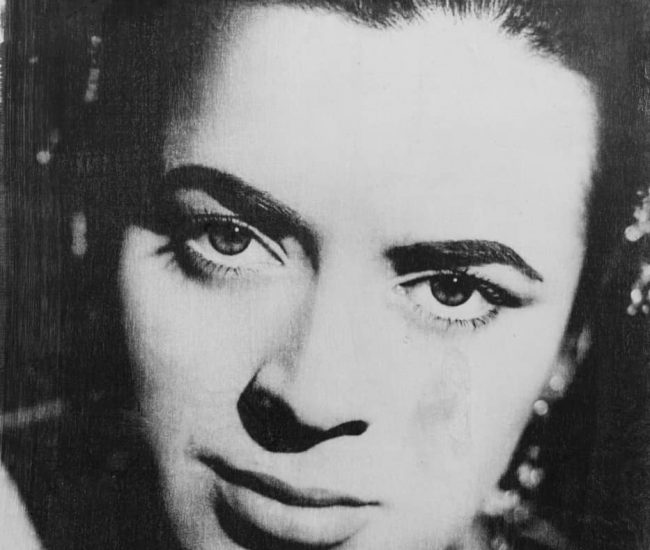
The fadist Fernanda Maria (Retratos de Fado, Rua de Capelão, oeuvre by Camilla Watson)
The forgotten Portuguese : the varina.
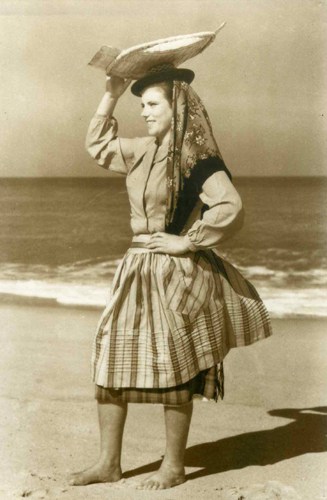
We see her on the covers of A vida Portuguesa, we listen to her in Carlos do Carmo’s timeless fado Lisboa menina e moça… but who else today pays tribute to the varina ? Adorned with jewels, this fish merchant had a hard life. While the men went out to sea, the varinas roamed the quays and squares to sell the morning’s catch. They would load the fish into a flat basket and carry it on their heads with grace and grip.
Walking through the streets barefoot, where the calçada was not smooth, they shouted in a high-pitched voice about how fresh their fish was. They all had this outfit : a short skirt, a coloured kerchief over their chest and a round black felt hat. Marginalised, the varinas were not lacking in character. From the grandmother to the little girl, they were all in the street, this trade was a family affair ! They had their own dialect and the men never had a word to say. Strong-mouthed, the varinas had an answer for themselves and would nail any impertinent remarks. Every misplaced gallantry was thus rewarded with a well-measured slap. This brutality was a virtue for them, their job was not a gentle one, they had to be respected.
Varina
And the Portuguese woman of today ?
Portuguese women still live in a patriarchal society... but this is only a façade. They have always had the last word in family decisions. The important thing is not to convince men, but to make them believe that they are the ones who make the decision.
There is still the problem of wage inequality, but it is nice to see that today the Portuguese woman is a liberated woman. Whether their name is Márcia or Andréa, they are the entrepreneurs of today !
Shopping Basket
Talk with us :)
1
Bom dia ! How can I help you? Please click on the button at the bottom right to start the chat.