Lisbon Tile Museum: Discover Portugal’s Azulejo Heritage
If there is one art form that defines Portugal, it is the azulejo — those stunning hand-painted ceramic tiles that cover churches, palaces, train stations, and everyday buildings across the country. And the best place to understand this centuries-old tradition is the Museu Nacional do Azulejo, Lisbon’s National Tile Museum.
Housed in the beautiful 16th-century Madre de Deus Convent, the museum takes you on a journey through over 500 years of Portuguese tile-making. From the earliest Moorish geometric patterns to bold contemporary designs, you will discover how azulejos became one of Portugal’s most iconic cultural expressions.

What You Will See Inside the Museum
The museum’s permanent collection is arranged chronologically, guiding you through the evolution of Portuguese tile art. You will start with 15th-century Hispano-Arab pieces featuring intricate geometric motifs, then move through the Renaissance period with its Italian-inspired majolica techniques.
The undisputed highlight is the stunning Panorama of Lisbon — a 23-metre-long tile panel created around 1700 that depicts the city’s waterfront before the devastating 1755 earthquake. It is one of the most important historical documents of pre-earthquake Lisbon, and seeing it in person is genuinely moving.
You will also find the magnificent Church of Madre de Deus, still part of the museum complex. Its interior is covered floor-to-ceiling with gilded woodwork, oil paintings, and — of course — extraordinary tile panels in deep blue and white. It is one of the most beautiful church interiors in Lisbon.
The collection includes works from the Baroque period, the industrial era of the 19th century, Art Nouveau designs, and striking modern pieces by contemporary Portuguese artists. Temporary exhibitions regularly showcase new tile artists and experimental works.
Practical Information for Your Visit
Location: Rua da Madre de Deus 4, in the eastern Xabregas neighbourhood. It is about a 15-minute taxi or Uber ride from the city centre, or you can take bus 794 from Santa Apolónia station.
Opening hours: Tuesday to Sunday, 10:00 to 18:00 (last entry at 17:30). Closed on Mondays and public holidays.
Admission: €5 for adults. Free entry on the first Sunday of every month. The Lisboa Card also includes free admission.
How long to spend: Plan about 1.5 to 2 hours to see the full collection comfortably. Art enthusiasts may want longer to appreciate the details.
Café tip: The museum has a charming café-restaurant with a peaceful cloister garden — perfect for a coffee break after your visit.
Why Azulejos Matter in Portuguese Culture
Azulejos are far more than decoration in Portugal. They tell stories — of religious devotion, historical events, maritime adventures, and daily life. When you walk through Lisbon’s streets, the tiles on the buildings are like an open-air museum, each one reflecting a moment in the city’s rich history.
The word « azulejo » comes from the Arabic « az-zulayj, » meaning polished stone. The tradition arrived in Portugal through Moorish influence in the 15th century and evolved into something uniquely Portuguese over the following centuries. Today, contemporary artists continue to push the boundaries of tile art, keeping the tradition alive and vibrant.
Understanding azulejos will completely change the way you see Lisbon. After visiting the museum, every building façade becomes a story waiting to be read.
Create Your Own Azulejo Experience
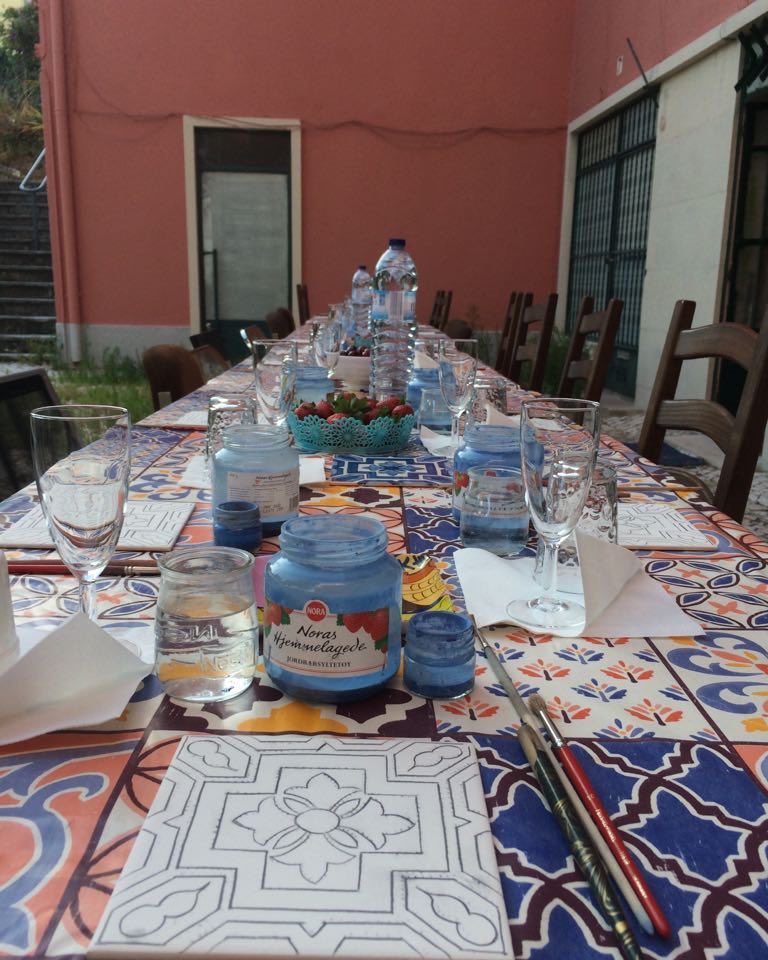
Inspired by what you have seen at the museum? Take your experience further with a hands-on tile painting workshop where you can create your own azulejo under the guidance of a local artist. It is one of the most popular and unique activities for visitors to Lisbon.
To discover more of Lisbon’s artistic side, join a private guided tour through the historic neighbourhoods where street art and traditional azulejos sit side by side. Our local guides know exactly where to find the most beautiful tile façades in Alfama, Graça, and Mouraria.
Combine your museum visit with a food walking tour through the nearby neighbourhoods, or explore more of Lisbon’s cultural heritage with a visit to the fado experience for an evening of traditional Portuguese music.
For a full overview of everything you can do in the city, check out our complete guide to activities in Lisbon. And if you are planning a special event, our shopping guide and markets guide will help you find the perfect Portuguese souvenirs and gifts.
Have questions about visiting the museum or planning your Lisbon itinerary? Contact our team — we are always happy to help.